
Top Loaders vs. Front Loaders: Which Washer Actually Fits Your Household?
Of all the appliances in your house, the washing machine is probably the one you think about least — right up until you’re standing in a showroom trying to decide between two machines that look nothing alike and somehow both claim to be the “smart choice.” The honest answer is that there isn’t one correct washer. There’s the one that fits your laundry habits, your space, and your household. Here’s how to think it through.
How Washers are Actually Different
A top-load washer has a vertical drum you load from above, using either a center-post agitator or a gentler impeller disc to move water and clothes around. A front-load washer has a horizontal drum you load through a door, tumbling clothes through a smaller amount of water rather than submerging them.
That mechanical difference is where nearly every pro and con on this list comes from.
Where Top Load Washers Win
No bending. This is the single biggest reason people stick with a top loader, especially anyone dealing with back or knee issues. You load and unload standing upright, and you can toss in a forgotten sock mid-cycle without pausing anything.
Shorter cycles. Traditional top loaders typically run faster than front loaders, which matters if you’re doing several loads back to back on a weekend.
Lower upfront cost. Standard top-load models are generally the most budget-friendly option in the showroom.
Handles heavily soiled loads well. If your household generates a steady stream of muddy jeans, barn clothes, or work gear — which describes a lot of life in Vermont and New Hampshire, especially during mud season — the higher water volume in a traditional top loader can be genuinely useful for really dirty items.
Less mold risk. Without a front-facing door gasket, there’s less of the trapped moisture that can lead to mildew and odor.
Where Front Load Washers Win
Water and energy efficiency. Front loaders use significantly less water per load and pair that with faster spin speeds, which pulls more moisture out of clothes before they ever reach the dryer — saving energy on both ends of laundry day.
Gentler on fabrics. The tumbling motion is easier on clothes than an agitator, which matters if your household does a lot of delicates or you just want your clothes to last longer.
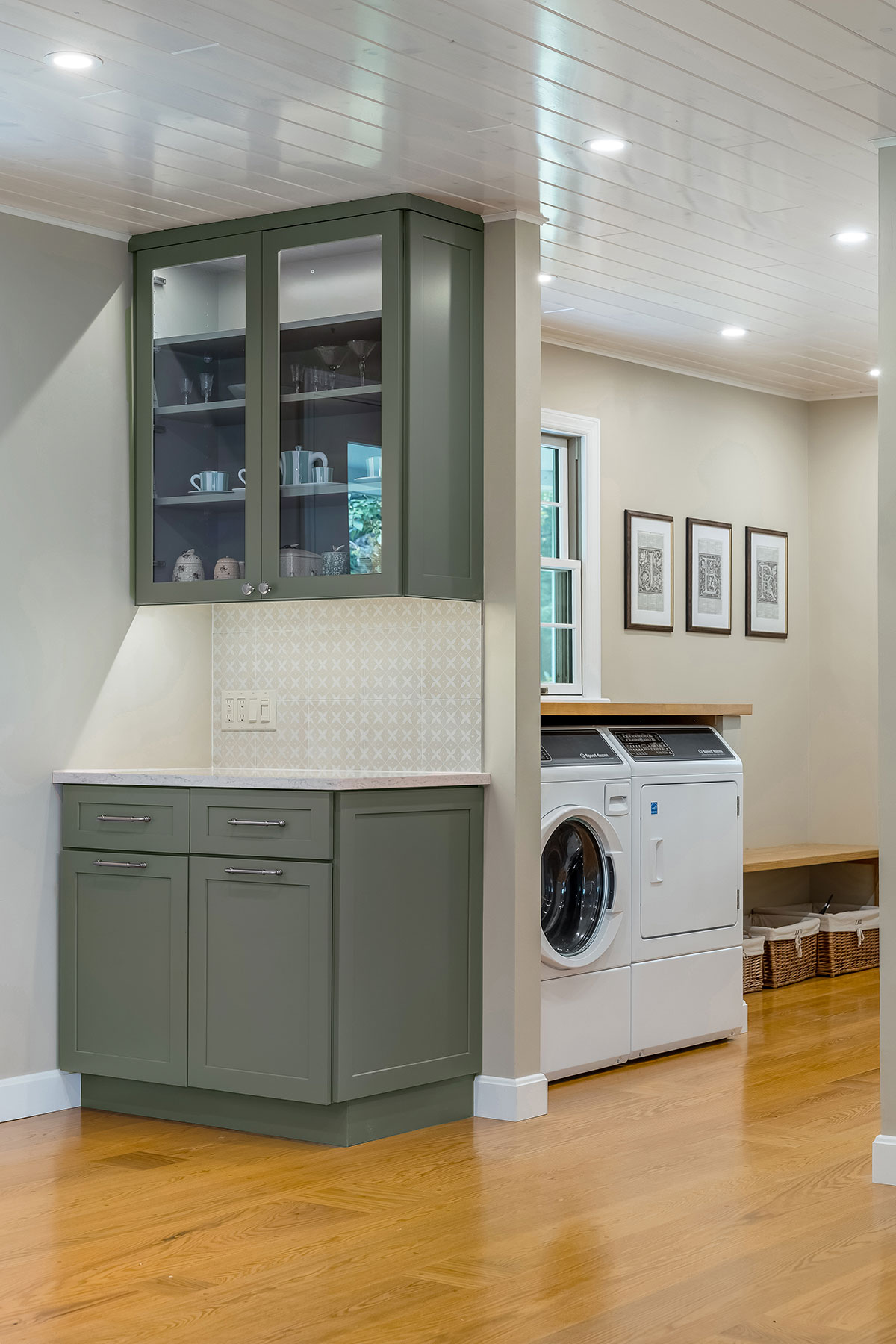
Stackable. This is a big one for anyone working with a small laundry closet or mudroom rather than a dedicated laundry room — a common layout in older New England homes where the laundry area was an afterthought when the house was built. Stacking a front-load washer and dryer can free up real floor space.
Deeper clean, drier finish. Between the tumbling action and higher spin speeds, front loaders generally finish with cleaner, less damp clothes than a comparable top loader.
The tradeoffs: front loaders cost more upfront, run longer cycles, and need the door gasket wiped down and left open between loads to prevent the mildew smell they’re known for.
A Few Things Worth Thinking About for Homes in Our Area
Basement and mudroom laundry rooms are common here, and humidity matters. If your washer lives in a basement that runs damp, a front loader’s door gasket needs a little more attention — wipe it down and leave the door cracked between loads. It’s a minor habit, but skipping it is the most common complaint we hear about front loaders.
There’s real money on the table for efficient models. Efficiency Vermont’s 2026 rebate programs include support for ENERGY STAR clothes washers, and some households — particularly income-qualifying ones — can access vouchers worth up to $1,200 toward a new washer or other major appliance. It’s worth checking what you qualify for before you buy, since it can meaningfully close the price gap between a top loader and a more efficient front loader.
Mud season is real, and it affects this decision more than people expect. If your household is hauling in genuinely filthy laundry several months a year, that’s a legitimate point in favor of a top loader’s higher water volume — it’s not just about preference, it’s about what actually gets the job done on heavily soiled loads.
Think about your laundry space, not just the machine. A finished laundry room with counter space favors a front loader you can stack. A tight mudroom closet or an unfinished basement corner might make a top loader’s simpler footprint the easier fit.
The Bottom Line
If efficiency, fabric care, and a smaller footprint matter most to you, a front loader is worth the higher price tag. If ease of loading, shorter cycles, and handling seriously dirty loads matter more, a top loader is still a completely reasonable — and often better — choice for a lot of households in our area.
Come see both styles running side by side at the Cabinet en-Counter. It’s a lot easier to picture which one fits your routine once you’ve watched them work.