
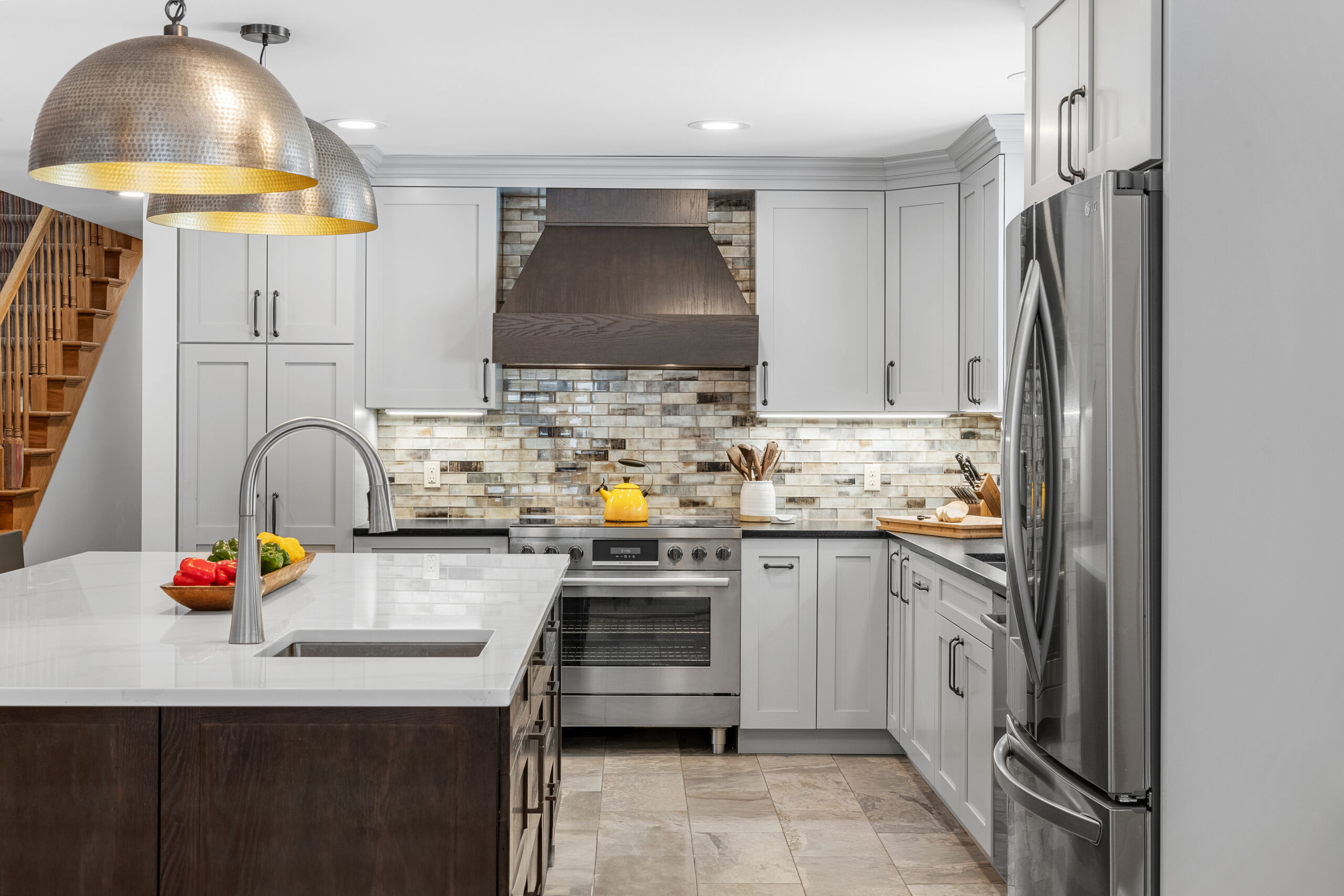
Choosing the right cooktop is an important decision for homeowners updating their kitchen appliances. Among the most popular options today are electric cooktops and induction cooktops. While they may appear similar at first glance—especially with sleek glass surfaces—their cooking technology, performance, and energy efficiency differ. Understanding these differences can help homeowners select the best cooking appliance for their needs.
How Electric Cooktops Work
An electric cooktop uses heating elements beneath a smooth ceramic glass surface to generate heat. When the cooktop is turned on, electricity passes through metal coils or radiant elements, which then transfer heat to the cookware placed on top.
Electric cooktops are popular because they are relatively affordable and easy to install. Many homeowners also appreciate their familiar operation, as the technology has been used in kitchens for decades. The flat surface makes cleaning simple, and many models include features like dual-size burners and touch controls.
However, because the surface itself becomes hot, electric cooktops can take longer to heat up and cool down compared to other cooking technologies. Temperature adjustments may also be slightly slower since the heating element must increase or decrease in temperature before affecting the pan.
How Induction Cooktops Work
Induction cooktops use a completely different method to generate heat. Instead of heating the surface, induction cooktops create an electromagnetic field that directly heats compatible cookware.
When a magnetic pan is placed on the burner, the electromagnetic current causes the metal in the cookware to heat up almost instantly. The cooktop surface itself remains relatively cool, since the heat is generated within the pot or pan.
This technology provides several advantages. Induction cooktops heat very quickly, respond rapidly to temperature changes, and are highly energy efficient. Because the surface does not become extremely hot, spills are less likely to burn onto the cooktop, making cleanup easier.
Cookware Compatibility
One important consideration when choosing between electric and induction cooktops is cookware compatibility.
Electric cooktops work with nearly all types of pots and pans, including aluminum, copper, stainless steel, and cast iron. Induction cooktops, however, require magnetic cookware to function properly.
Only cookware made from magnetic materials like cast iron or some stainless steel works with induction technology. Some homeowners may need to replace certain pots or pans if they switch to an induction cooktop.
Energy Efficiency and Performance
Induction cooking is widely regarded as one of the most energy-efficient cooking technologies available. Because heat is generated directly within the cookware, less energy is lost during the cooking process.
Electric cooktops, while efficient compared to older coil ranges, still lose some heat through the glass surface and surrounding air. This can result in slightly longer cooking times and greater energy use.
For homeowners who cook frequently or prioritize energy savings, induction cooktops may offer noticeable long-term benefits.
Safety and Convenience
Safety is another factor many homeowners consider when selecting a cooktop. Induction cooktops are often praised for their safety features. Since the surface remains relatively cool, the risk of burns is reduced. Many models also shut off automatically when cookware is removed.
Electric cooktops, while safe when used properly, maintain residual heat after cooking. This means the surface can remain hot for several minutes after the burner is turned off.
Choosing the Right Electric or Induction Cooktops for Your Kitchen
Both electric and induction cooktops offer sleek design, smooth surfaces, and modern controls that fit beautifully into contemporary kitchens. The right choice ultimately depends on your cooking style, budget, and cookware.
Electric cooktops provide a familiar and budget-friendly option that works with nearly all cookware. Induction cooktops offer faster performance, improved energy efficiency, and advanced safety features.
By understanding how these technologies differ, homeowners can confidently choose the cooktop that best supports their cooking habits and kitchen design. For further information on currently available induction and electric cooktops, reach out to the Cabinet en-Counter via our website’s contact form or give us a call at our showroom: (603) 448-9700. We would love to help find the perfect cooktop for you.