When planning a kitchen or bathroom renovation, homeowners often focus on cabinet colors, finishes, and door styles. However, the construction style of the cabinet box itself is just as important. Cabinetry falls into two main categories with one popular subcategory: framed cabinets, frameless cabinets, and inset cabinets, respectively. Each option offers unique advantages in design, storage space, and cost, making it helpful to understand how they differ before making a final decision.
Framed Cabinets: Traditional Structure and Durability
The most common cabinet construction style in North American history is the framed cabinet. In this design, a solid wood frame is attached to the front of the cabinet box, similar to a picture frame. Cabinet doors and drawer fronts are mounted onto this frame.
This structure adds strength and stability to the cabinet, which can be beneficial in busy kitchens or bathrooms that see frequent daily use. Framed cabinets also allow for a wide range of decorative door styles, including classic options like the raised panel cabinet door and more versatile styles like the Shaker cabinet door.
However, the frame slightly reduces the opening of the cabinet interior, which can limit storage access compared to other cabinet types. Despite this, framed cabinets remain a popular choice because they balance durability, style flexibility, and affordability.
Frameless Cabinets: Modern Design and Maximum Storage
Another option that has grown more popular in the modern era is the frameless cabinet, sometimes called “European-style” cabinetry. Unlike framed cabinets, frameless cabinets do not include a face frame. Instead, the cabinet doors attach directly to the sides of the cabinet box.
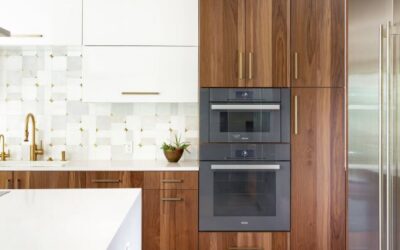
This design creates a clean, modern appearance with tighter spacing between doors and drawers. Frameless cabinets are commonly paired with sleek styles such as the flat panel cabinet door to emphasize a contemporary aesthetic.
One major advantage of frameless cabinetry is improved interior accessibility. Because there is no face frame, the cabinet opening is slightly wider, making it easier to store and retrieve larger kitchen items like cookware or small appliances.
Frameless cabinets can sometimes cost slightly more than standard framed cabinets due to the precision required during manufacturing and installation, but many homeowners appreciate the streamlined look and improved storage efficiency.
Inset Cabinets: Precision Craftsmanship
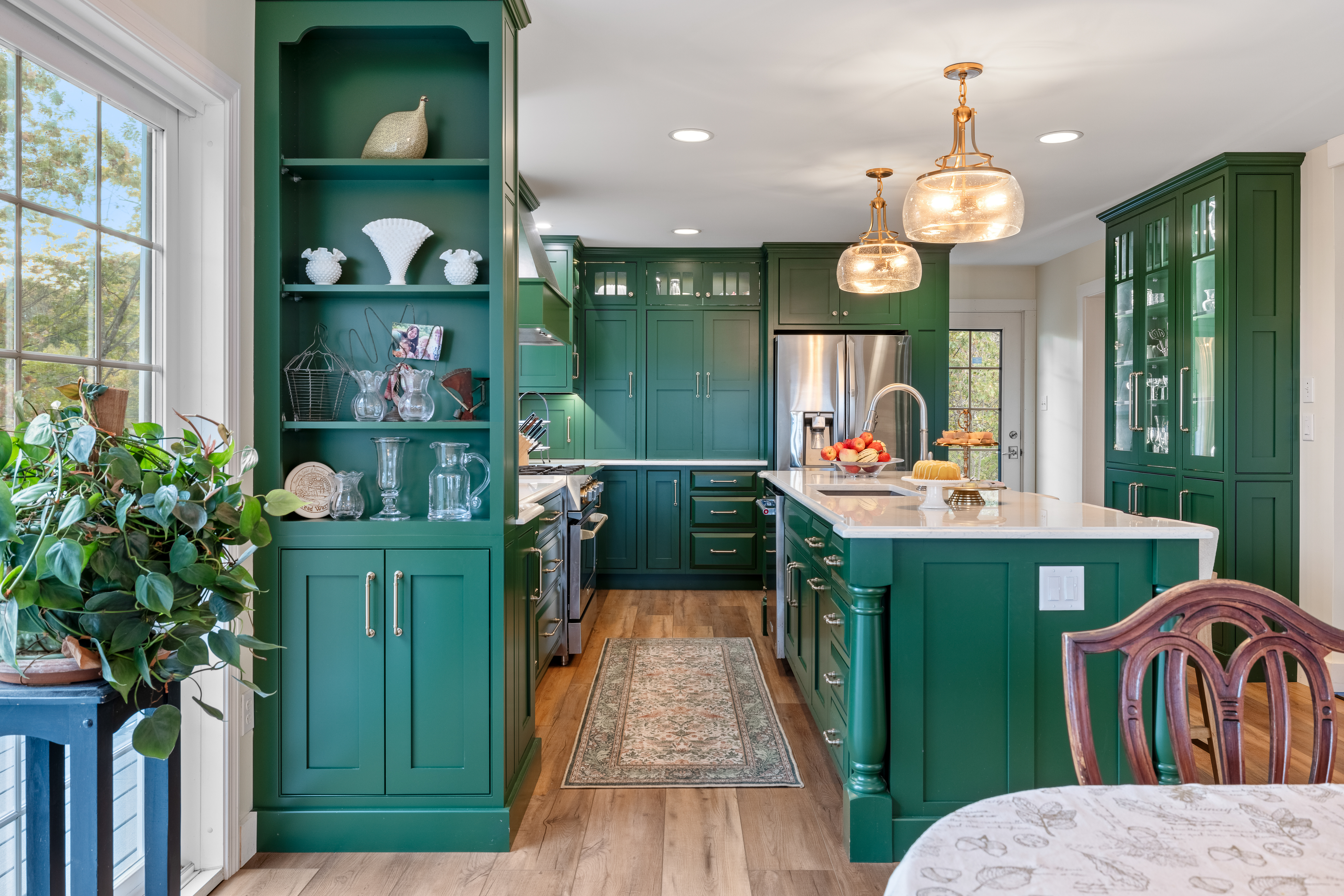
For homeowners seeking a truly custom appearance, the inset cabinet offers a distinctive and highly refined design. With inset cabinetry, the doors and drawer fronts sit flush within the cabinet frame rather than resting on top of it. Inset cabinets are technically framed cabinets. The main difference lies in how other framed cabinets have doors with a partial or full overlay covering the cabinet box. Inset cabinets show the full face frame of the cabinet box around the doors.
This creates a smooth, integrated appearance that highlights careful craftsmanship and clean lines. Inset cabinets are commonly seen in high-end kitchens and historic-style homes where attention to detail is a key design priority.
Because inset cabinets require more precise measurements and installation than the prior two options, they are typically the most expensive cabinets to construct. The flush fit also slightly reduces interior storage space compared to frameless cabinets.
Despite these trade-offs, many homeowners choose inset cabinetry for its timeless elegance and premium feel.
Choosing the Right Cabinet Construction
Each cabinet construction style offers its own balance of design appeal, storage efficiency, and cost. Framed cabinets provide durability and classic style flexibility, making them a reliable choice for many homes. Frameless cabinets deliver a modern aesthetic and maximize interior storage space. Inset cabinets showcase exceptional craftsmanship and create a refined, built-in look.
When selecting cabinetry for your kitchen or bathroom renovation, homeowners should consider their design preferences, storage needs, and overall budget. By understanding the differences between framed, frameless, and inset cabinetry, it becomes easier to choose the option that best complements both the space and the lifestyle of the household. If you have questions on these differences and want to hear more, reach out to us through our website’s portal to schedule a showroom visit and consult with a designer.